



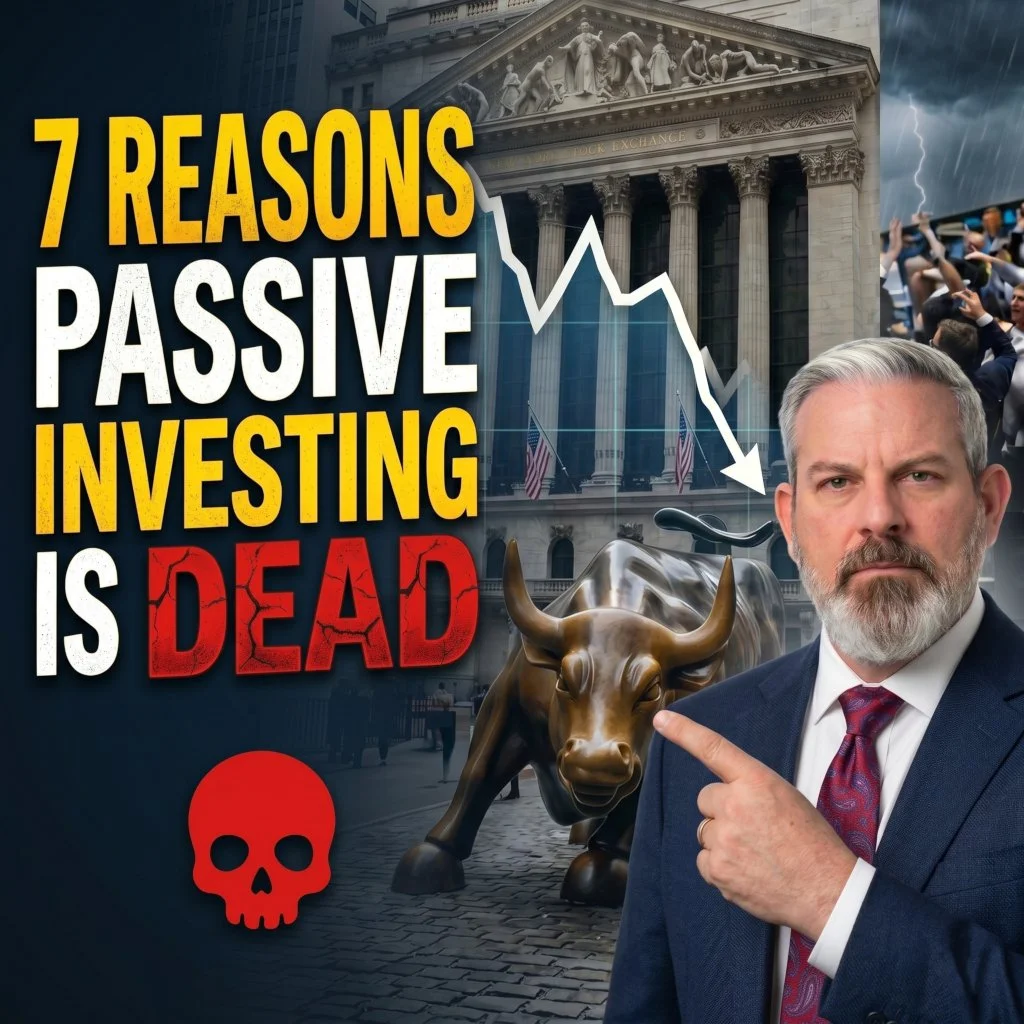
7 Reasons Passive Investing is Dead
Passive buy-and-hold investing ignores fundamental valuations and fails to protect investors from catastrophic market cycles. Traditional indexing lacks true diversification and relies on several dangerous myths.

A Gambling Mood on Wall Street
Investors are in a gambling mood after rushing in to buy the dip at high prices despite an extreme set of risks. Most acutely, the U.S.-Iran conflict is at a critical juncture. If a diplomatic settlement is not reached by midnight on Tuesday, the conflict risks a catastrophic escalation.

The Great Rotation: Valuations Matter
For over a decade, U.S. mega-cap tech stocks have dominated market leadership, but the cycle is undeniably changing. The opportunity we see is in more global, capital-intensive industries. Earnings growth is moving to companies with tangible assets and pricing power. The case for this "Great Rotation" ultimately comes down to valuations. Foreign stocks offer much more attractive valuations and are likely to outperform U.S. large cap stocks over the coming years.
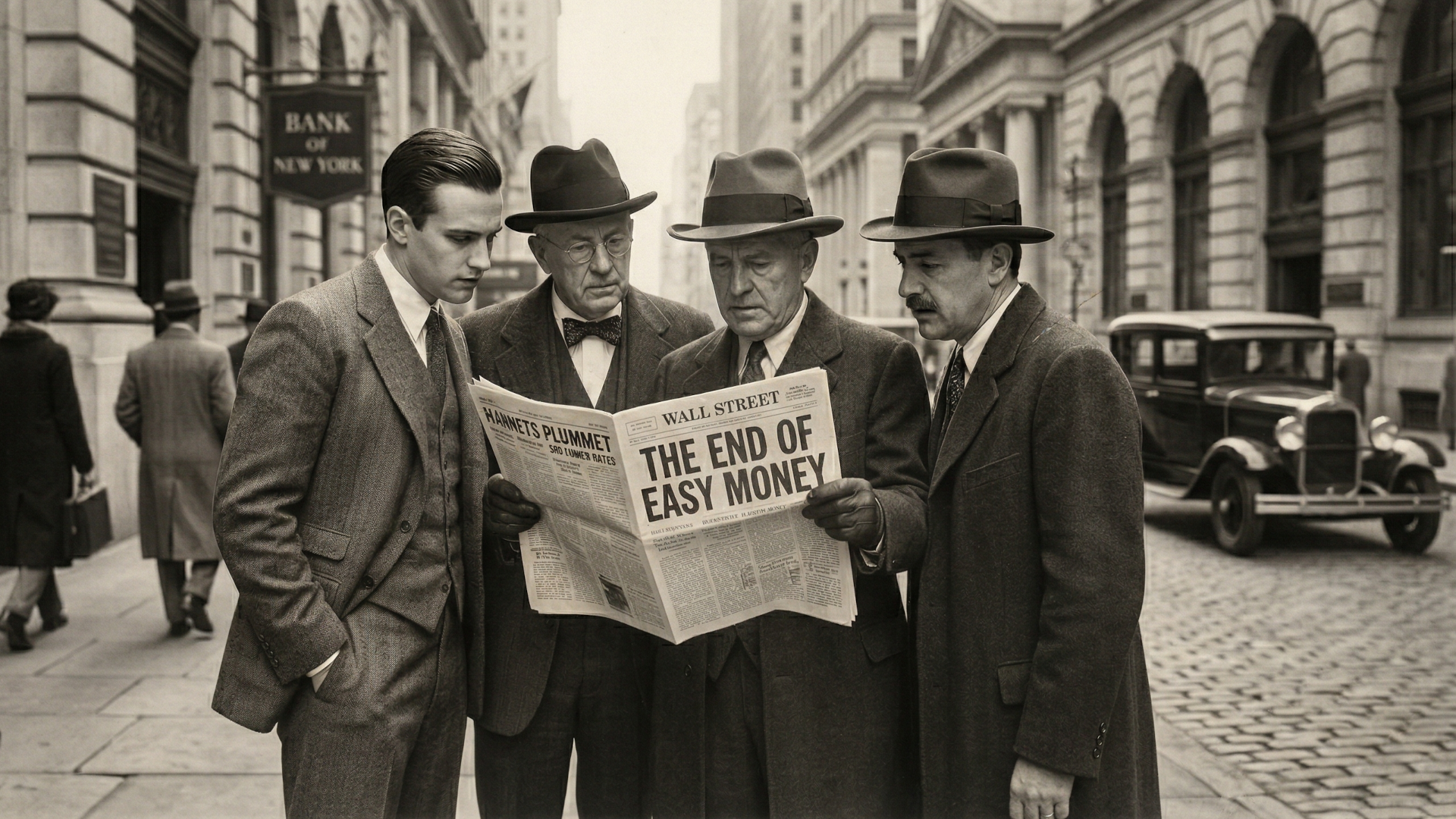
The End of Easy Money
The era of easy money, which drove asset prices to the most extreme levels in history, has come to an end and the tide of liquidity is going out. The global debt super cycle is unwinding. Extreme debt levels and inflationary pressures have tied the hands of governments and central banks, reducing available monetary and fiscal policies and limiting their effects. In this stagflationary environment, asset preservation should be your primary objective. Now is not the time to be chasing returns.

Markets Finally Price-In Reality
The initial market optimism surrounding the war with Iran collided with a number of harsh realities last week. Stocks were down for the fifth week in a row—the longest streak since 2022. The S&P 500 Index reached a six-month low. Bonds edged lower marking the second week in a row that both stock and bonds were down together. Gold and commodities were up and bitcoin was down.

Markets on Edge as War Enters Critical Phase
Financial markets are on edge as the U.S./Iran war enters its fourth week and critical new phase. The war with Iran is overshadowing all other investment considerations.
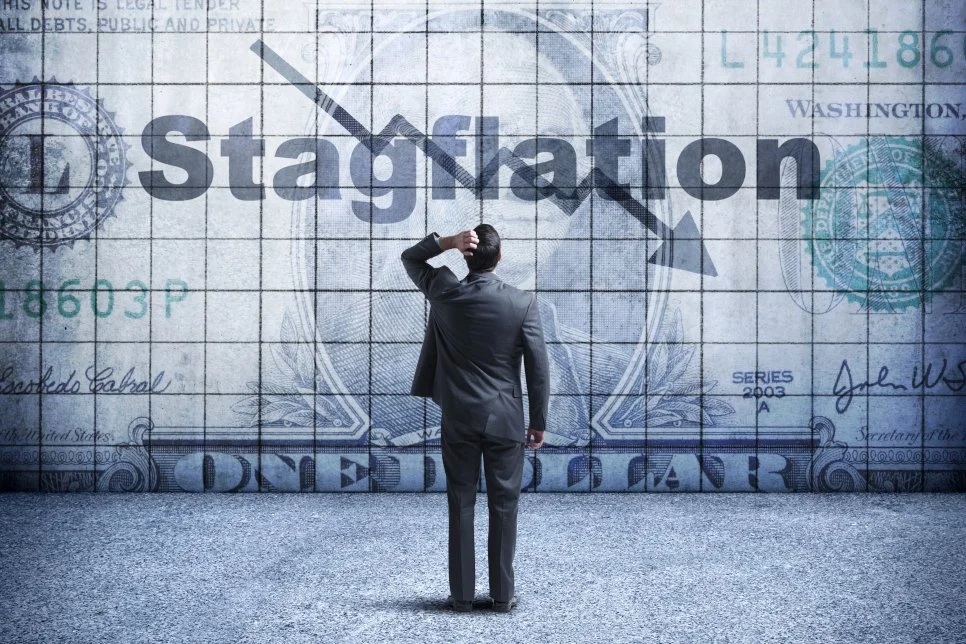
Stagflation Threatens Economy & Markets
Slowing economic growth, elevated inflation and rising oil prices are making stagflation a real threat in the U.S.

A Commodity More Critical Than Oil
As the war in the Middle East intensifies, market volatility has increased and oil prices surged past $100. The Persian Gulf is now nearly impassable and a growing list of countries are slowing oil production as storage facilities reach capacity. Officials in Bahrain said Iran attacked one of their water desalination plants, raising concers for millions of innocent civilans.

War Impacts on Oil, Inflation & Interest Rates
The new war in the Middle East will have significant economic impacts, but we must acknowledge—and elevate to the highest priority—the devastation being felt by innocent families. Economically, Americans will face higher prices and higher interest rates driven by a supply shock in the oil market…

U.S. Prepares for War with Iran
In an interview with Jesse Day of Commodity Culture, former U.S. Army Colonel Douglas Macgregor said that a U.S. military strike on Iran is now certain. He describes the conflict as "Israel’s war," claiming that the Trump administration has essentially subordinated U.S. defense policy to Israeli command…

China’s Threat to U.S. AI Dominance
China is quickly catching up to the U.S. in the AI arms race, developing highly advanced models powered by homegrown chips and abundant low-cost energy. China’s rapid advancement is threatening U.S. AI dominance…
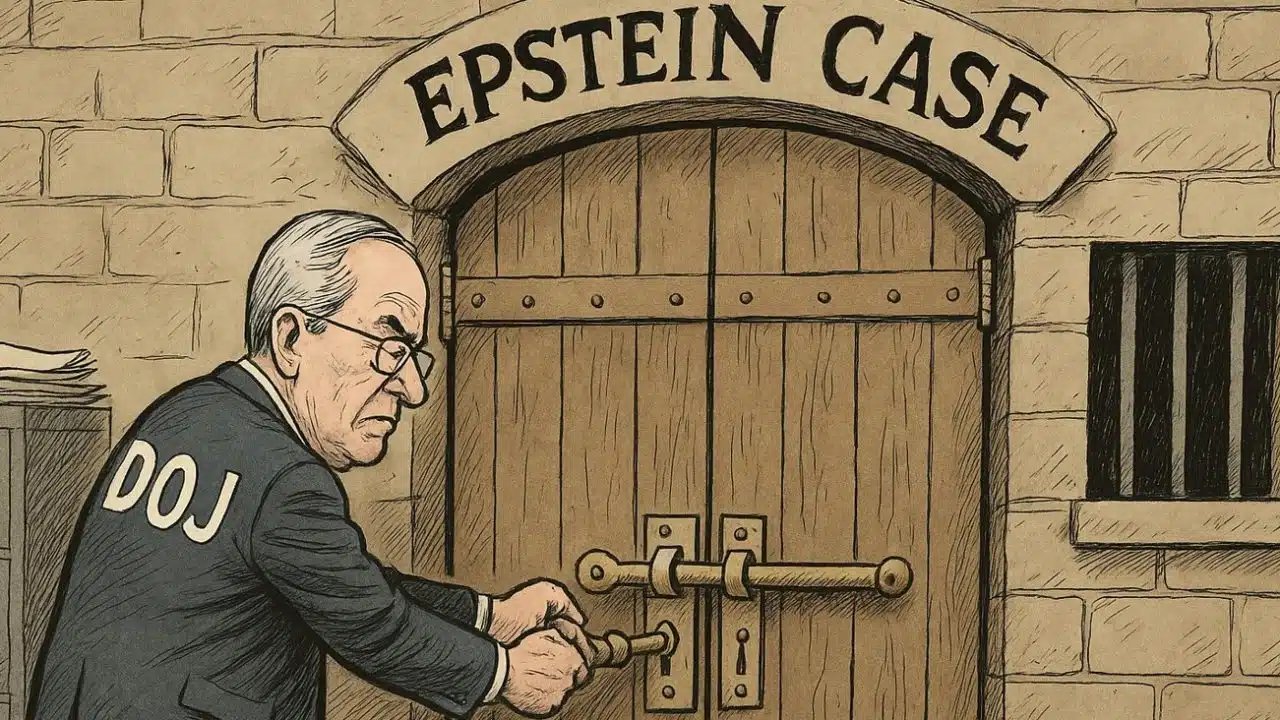
Epstein, Washington & Wall Street: Justice Redacted
On January 30th the Department of Justice finally got around to releasing over three million pages of records related to their Jeffrey Epstein investigations. Rest assured, the DOJ has formally announced that while Epstein’s personal crimes were vast, there was no sex trafficking ring serving other powerful men…
Volatility Is Back
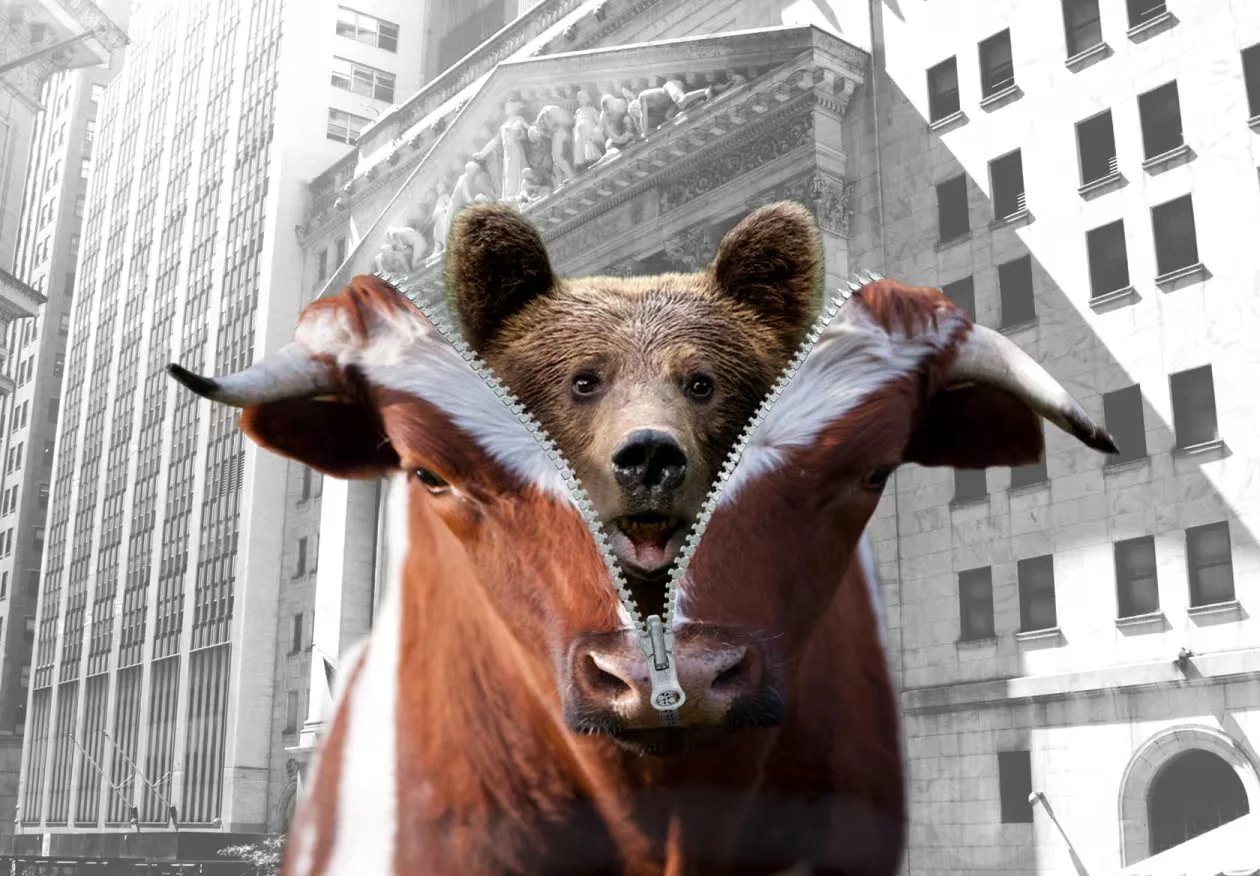
Market volatility returned to the spotlight last week. On Thursday, the CBOE Volatility Index—a key gauge of anticipated market swings known as the “VIX”—reached 23.1, its highest level since late November, suggesting investors may be shifting to a risk-off mood…
Will the Federal Reserve Finally be Reformed?
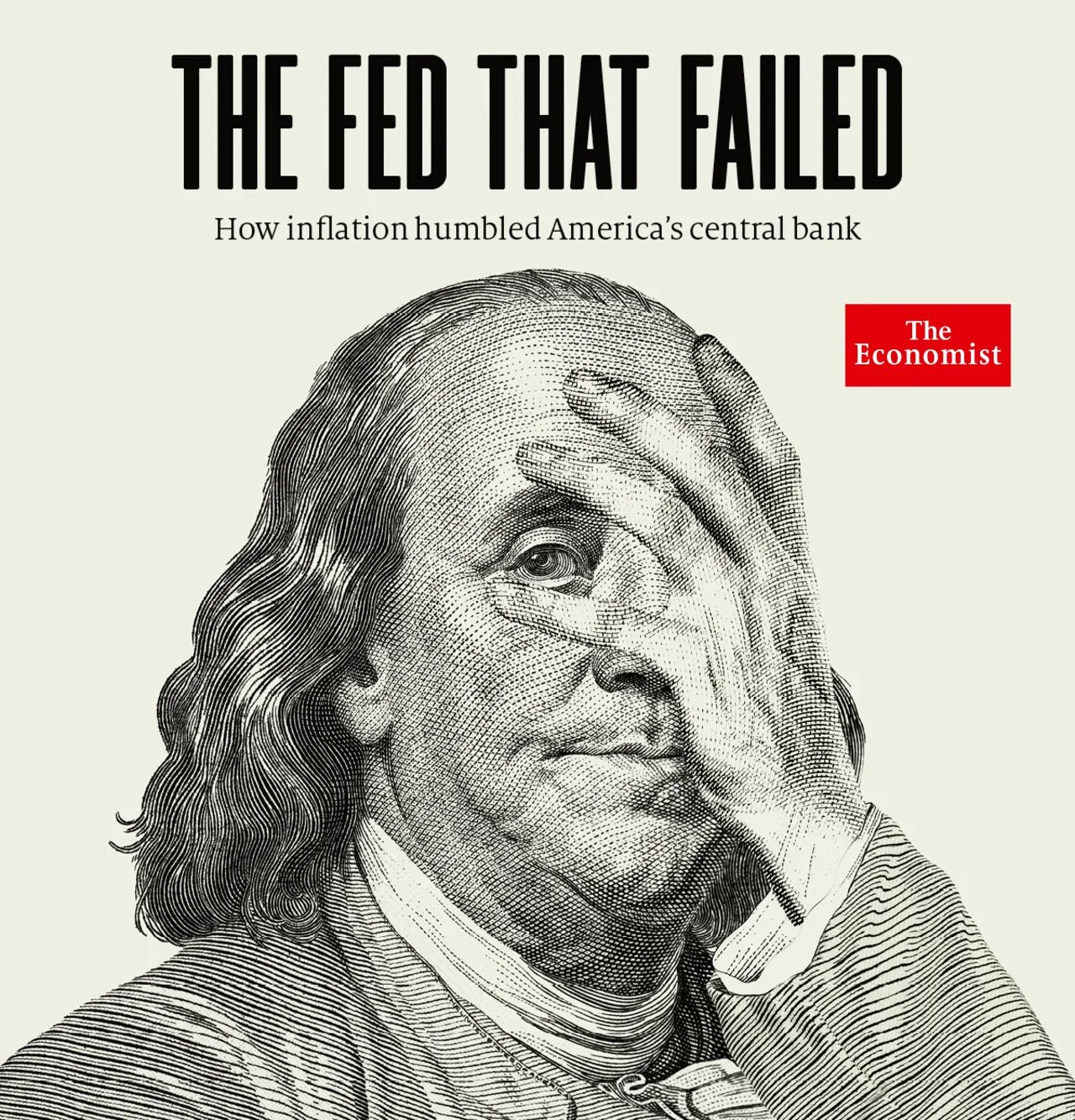
President Trump has announced his nominee to replace Jerome Powell at the Federal Reserve. Kevin Warsh is an excellent choice who should bring much-needed regime change to the Fed.
Markets Calm Dispite Barrage of Headlines
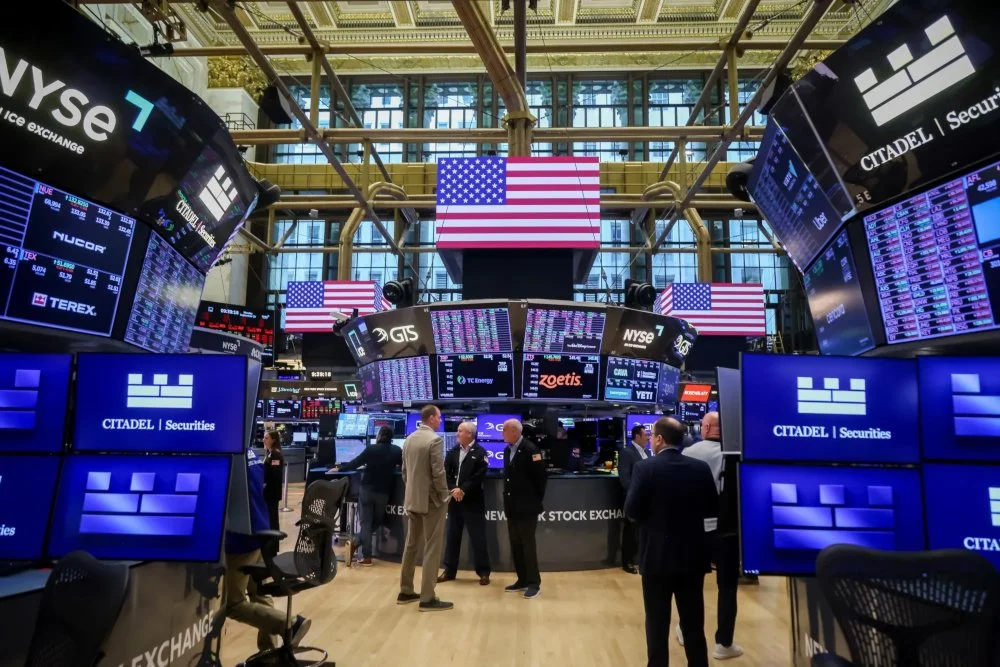
Headlines have been relentless since the start of the new year. Between a ramp-up in geopolitical tensions, fresh threats to Fed independence, and a string of policy proposals aimed at affordability, the market has had lot to digest. Despite the noise, stocks have barely flinched, maintaining a sense of calm.

2026 Investment Outlook: Bubble Watch & the Elusive Pin
2026 Investment Outlook
Every Wall Street analyst is predicting another positive year. Those of us on bubble watch know that extreme bullishness is a contrarian indicator, but the pin has been elusive. Why?

10 Market Rules to Remember
This week I want to review some timeless concepts that are especially important in light of today’s market euphoria.

Is AI the Next Global Crossing?
AI is groundbreaking technology. It’s a technological advancement that could be bigger than the internet itself. Like the dot-com bubble, the irrational exuberance in AI is not in the idea or the innovation; it’s in the price and investor behavior.
Conflicting Signals into Year-End
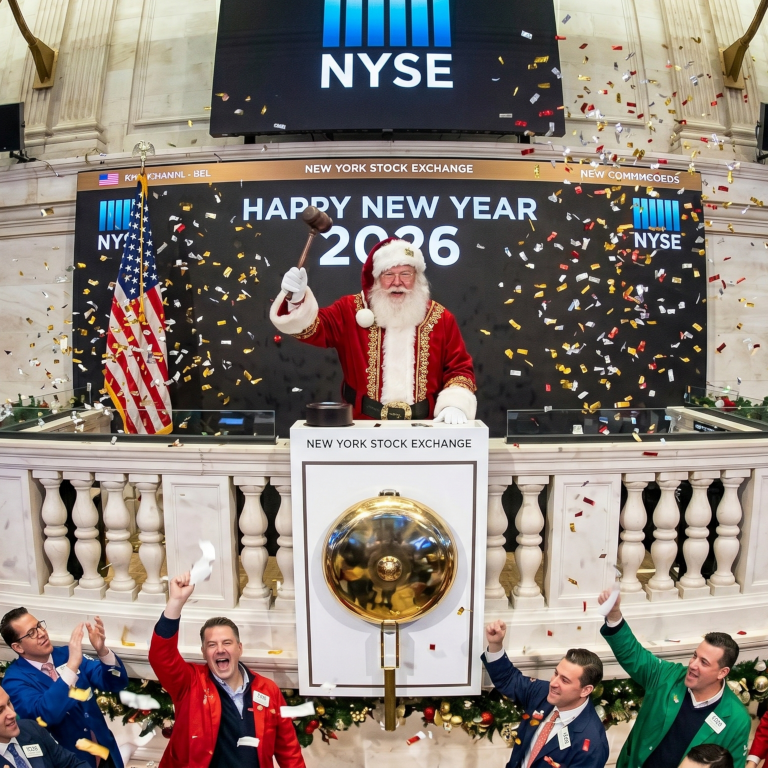
With consumer confidence and business activity declining, you’d expect investor confidence and market analysts to be in a cautious mood, but that is not the case. This is just one of many interesting contradictions and interesting dynamics at play as we move into 2026.
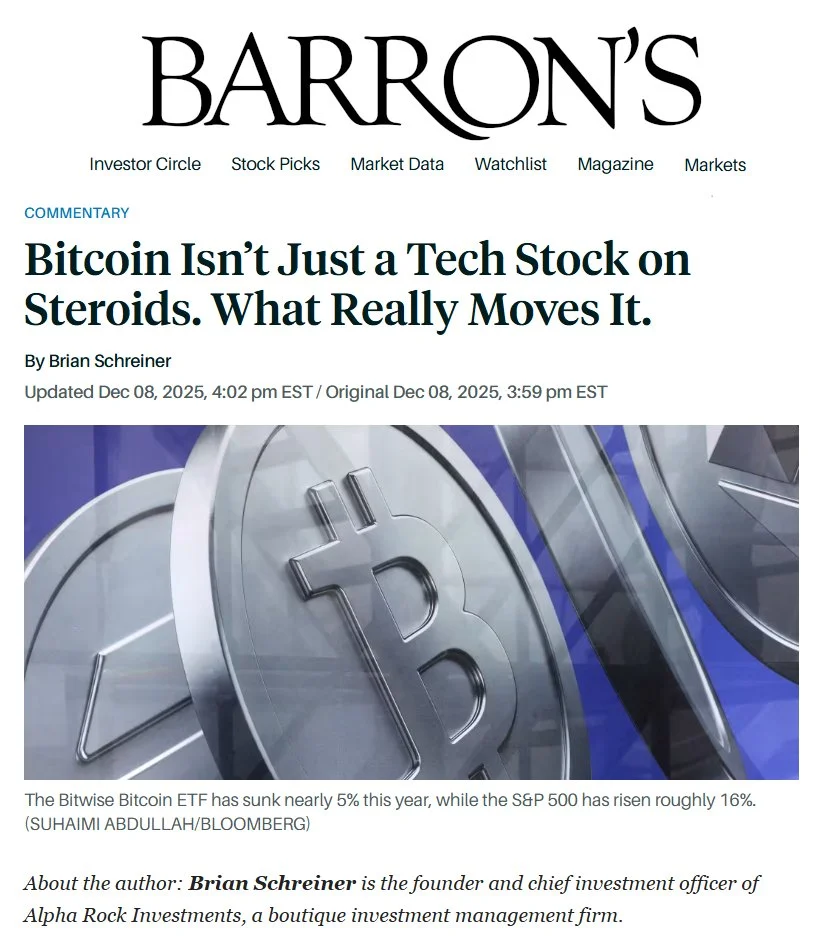
My Barron’s Article: Is Bitcoin Highly Correlated to Stocks?
Since the launch of spot Bitcoin ETFs in early 2024, investors have been haunted by a persistent narrative: “Bitcoin is just a tech stock on steroids.”
So while Bitcoin and the stock market are influenced by some of the same market forces, they are by no means tethered to one another.